
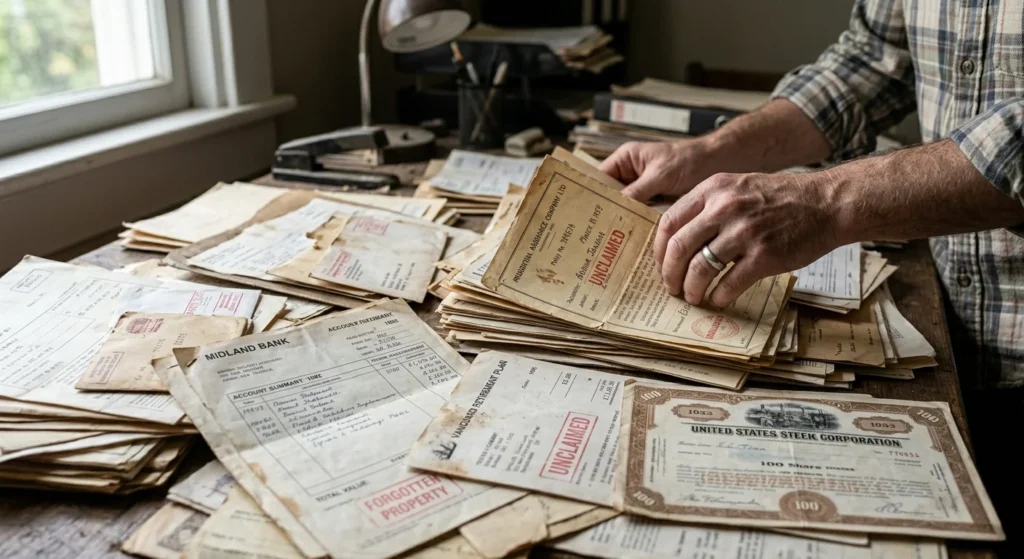
Did you know that 1 in 7 Americans has unclaimed property sitting with a state government? Billions of dollars, just waiting. And most people have no idea.
This isn’t about abandoned houses or storage units full of old furniture. It’s ordinary stuff — a forgotten bank account, an uncashed refund check, stocks from an old employer, a life insurance payout a family never knew existed. If you’ve moved, changed jobs, or lost a loved one without a clear picture of their finances, there’s a real chance money slipped through the cracks.
Living Trust vs. Will: The Key Difference
Usually not because of carelessness. Life gets complicated. You change jobs and lose track of an old 401(k). You get married, change your name, and forget to update every account. Someone in your family passes away and no one knew about the policy they had. Financial life is fragmented — most people have accounts at multiple banks, investment firms, and insurance companies over a lifetime. Without a system to track all of it, things disappear.
When a financial institution can’t reach you for a period of time — usually 1 to 5 years depending on the state — they’re legally required to turn the asset over to the state. This process is called escheatment. The state holds it indefinitely until someone claims it. In theory, it’s yours forever. In practice, most people never find it.
The National Association of Unclaimed Property Administrators estimates there is over $58 billion in unclaimed property currently held by state governments across the U.S. That number grows every year as more assets go dormant and fewer people know to look.
Learn the key steps to establish a living trust in New York.
What Kinds of Property Go Unclaimed?
The list is broader than most people expect. Common sources of unclaimed property include:
- Security deposits — A deposit from an old rental that was never claimed after moving out.
- Forgotten bank accounts — Savings and checking accounts that go inactive for a few years are turned over to the state, even if they still have a positive balance.
- Uncashed checks — Refund checks from utilities, insurance companies, or government agencies that were never deposited.
- Old 401(k) and retirement accounts — When employees leave a company without rolling over their retirement plan, the account can become dormant and eventually escheated to the state.
- Life insurance payouts — Beneficiaries who don’t know about a policy, or can’t be located by the insurer, may never collect. The death benefit then gets turned over to the state.
- Stocks and dividends — Shares from old employers, dividend checks that piled up, or brokerage accounts that were never closed.
How to Check If the State Is Holding Something for You?
The good news: searching is free, takes about five minutes, and can turn up genuinely surprising results. Go to unclaimed.org — it links to every state’s official unclaimed property database. You can search by name and see if any dormant accounts match your records.
A few tips to get the most out of your search: If you’ve lived or worked in multiple states, search all of them — property is held by the state where the last known address was on file, not necessarily where you live now. Try variations of your name, including maiden names, middle initials, and common misspellings. And don’t forget to search for deceased family members — unclaimed life insurance payouts and forgotten accounts are among the most common discoveries made during estate settlement.
If you find something, claiming it is also free. You’ll typically need to provide documentation proving your identity and your connection to the account or asset — things like a government-issued ID, old account statements, or proof of relationship to a deceased owner. The process can take a few weeks to a few months, but there is no deadline. The money doesn’t expire.
Understand how Medicaid eligibility impacts your estate planning
The Bigger Issue: Estate Planning and Keeping Track of What You Own
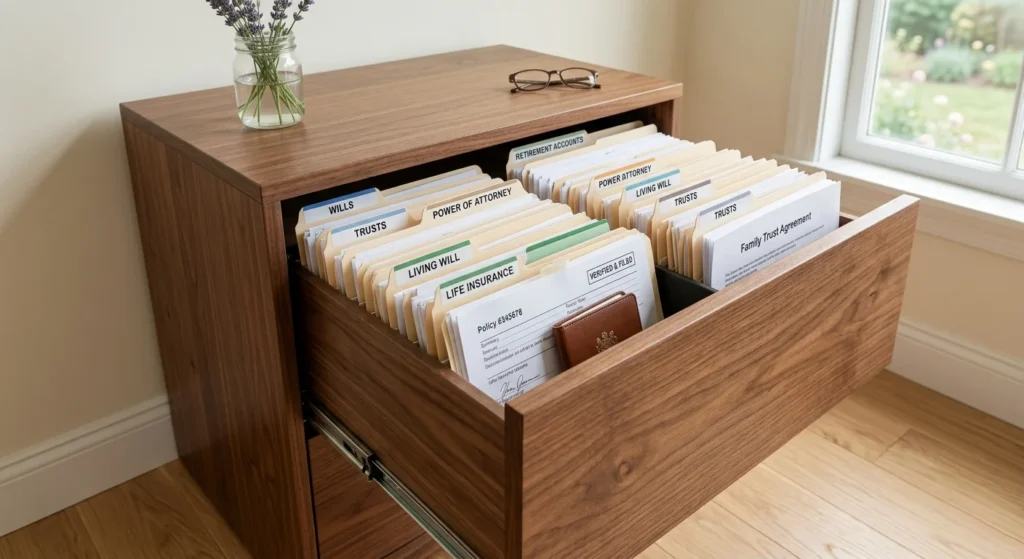
Finding old money is satisfying. Making sure your family never loses track of what you’ve built is more important — and more lasting.
A solid estate plan isn’t just about wills and trusts. It’s about giving the people you love a clear map of your financial life so nothing falls through the cracks when you’re gone. That means a complete inventory of every account, policy, and asset you own — with account numbers, financial institutions, beneficiary designations, and instructions on where to find important documents — stored somewhere your trusted people can actually access it.
Too often, people assume their family will figure it out. But the research tells a different story. Life insurance companies alone hold billions in unclaimed benefits simply because beneficiaries didn’t know the policy existed. Old 401(k)s from jobs held decades ago are regularly turned over to states because no one rolled them over or updated contact information after a move. These aren’t failures of love or intention — they’re failures of documentation.
Whether you’re building a plan from scratch or revisiting one you’ve had for years, ask yourself: If something happened to me tomorrow, would my family know what I own, where it’s held, and how to access it? If the answer is uncertain, that’s the gap worth addressing.
Start with a Search. Then Let’s Build Something Lasting.
Step one is simple: go to unclaimed.org and run your name. It takes five minutes and costs nothing. You might find something; you might not. Either way, you’ll know.
Step two is where we come in. When we work together on your estate plan, one of the first things we build is a comprehensive asset inventory — a clear picture of everything you own, organized so your family can act quickly and confidently if they need to. Not just documents, but a complete financial map with no missing pieces.
If you’re ready to get started, begin by booking a Peace of Mind Planning Session. We’ll answer your questions, review your options, and walk you through our flat fee structure with no surprises. Mention this article and we’ll waive the $350 session fee.
Discover the different types of trusts and their benefits.
Ready to Protect Your Family’s Future?
Speak with an experienced New York estate planning attorney to set up a living trust tailored to your needs. Don’t leave your legacy to chance — or to the courts.